During sampling
Keep the sample code with the base, fragrance loading and intended application. State the target market and documents needed so the request refers to the same candidate that your team is evaluating.
SDS, IFRA conformity, allergen information, and batch records are reviewed against the selected fragrance, intended use, destination market, and—where applicable—the production batch.
 Illustrative concept image
Start with the selected fragrance code and intended use. Open each document type to see its purpose and the details to match before relying on it for a purchase or formulation decision.
Reviewing the supplied material’s hazard communication, handling, storage, emergency and transport information. Share the destination and required language when requesting the applicable version.
Product identifier, supplier details, revision date and the material actually supplied. A safety data sheet and a finished-product formulation assessment answer different questions.
Reviewing a supplier’s declaration for the specific fragrance mixture and intended application category. The use information should be considered with the actual fragrance loading in the finished product.
Fragrance code, issue or revision date, stated standards reference and the relevant use category. The supplier issues the statement; it is not an IFRA-issued product approval or a replacement for finished-product safety assessment.
Obtaining the requested allergen information for the chosen fragrance. State the destination market and disclosure scope so the document request is tied to the intended finished-product review.
Fragrance identifier, revision, substances covered, units and reporting basis. Clarify whether values refer to the supplied fragrance or another stated basis before using them in formulation or label calculations.
Reviewing the quality characteristics and results reported for an identified production batch, where a COA is supplied. Read the stated specification and results together rather than treating the document title as proof of every performance attribute.
Product code, batch number, date, reported test items and specification references. Match the record to the shipment; a COA for another batch is not the record for your order.
Request the relevant file set for your project. Public guides explain the review process; confidential formula and supplier records are shared only within the agreed document scope.
No. An IFRA conformity statement concerns a fragrance formula in a stated application category and use level. The finished product still requires its own applicable safety and regulatory assessment.
Project documents may contain formula, batch, or legal-entity information. Request the current, relevant document set for your selected fragrance instead of relying on a generic sample.
The scope depends on the selected formula and destination-market requirements. State the market and requested disclosure scope in your brief.
The useful link is not just a certificate name. It is the connection between the sample you evaluated, the fragrance you selected and the batch you receive.
Keep the sample code with the base, fragrance loading and intended application. State the target market and documents needed so the request refers to the same candidate that your team is evaluating.
Confirm the accepted fragrance reference and current document versions. Record the final use and destination with the order. Match any batch-specific record to the shipment when it is available.
Revisit the review if the fragrance formula, base, loading, use category or destination changes. Identify the changed item first, then ask which evaluation or document needs updating.
Actual facility / document review
These photographs show our actual facility areas. They support a transparent view of the working environment, but a photo is not a test result or a certificate. For a purchase decision, review the document issued for the selected fragrance and intended application.
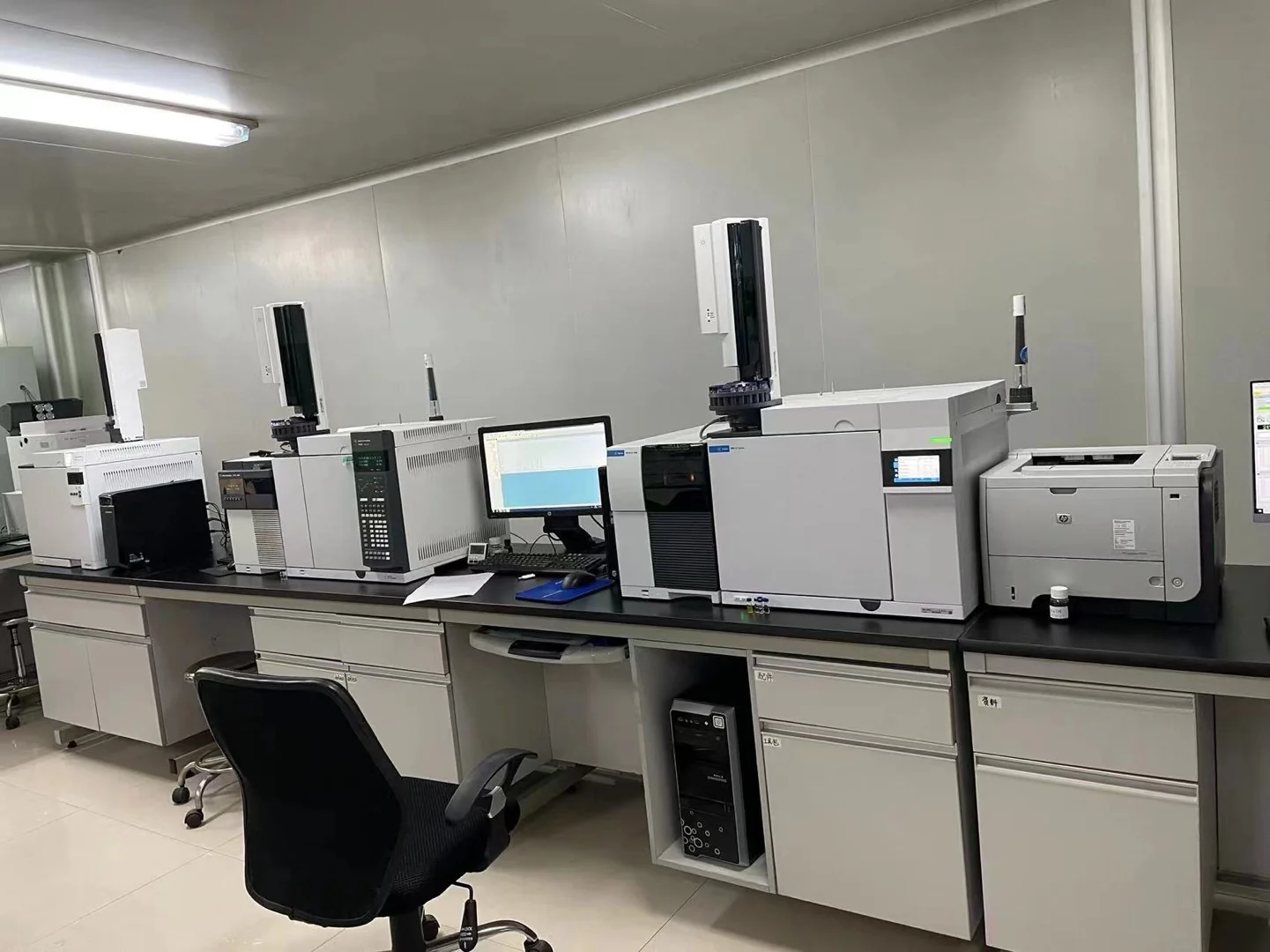
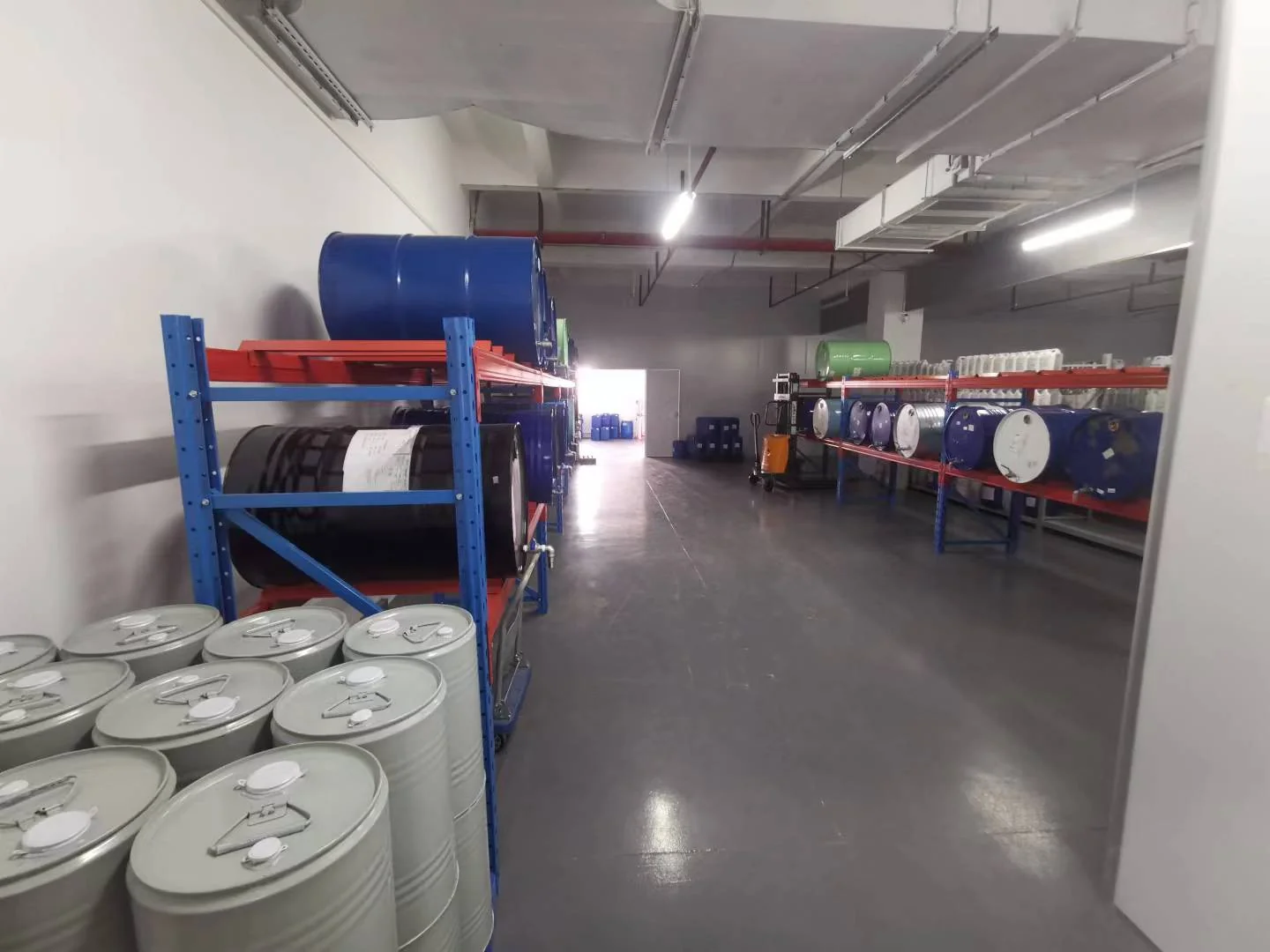
A useful evaluation also needs a clear sample plan, commercial terms, and the right formula-specific documentation.
Share your product format, target market, scent direction, and expected quantity to shape the next step.
Start a Project