Fabric care
How does the fragrance behave in the detergent, through washing and on dried fabric? Record the base, wash dose, fabric and drying routine so a scent preference can be understood in context.
Review the detergent trial →We work from an application brief toward fragrance directions that can be evaluated in the intended formulation. The specific testing and documentation scope is agreed per project—not assumed from a scent description alone.
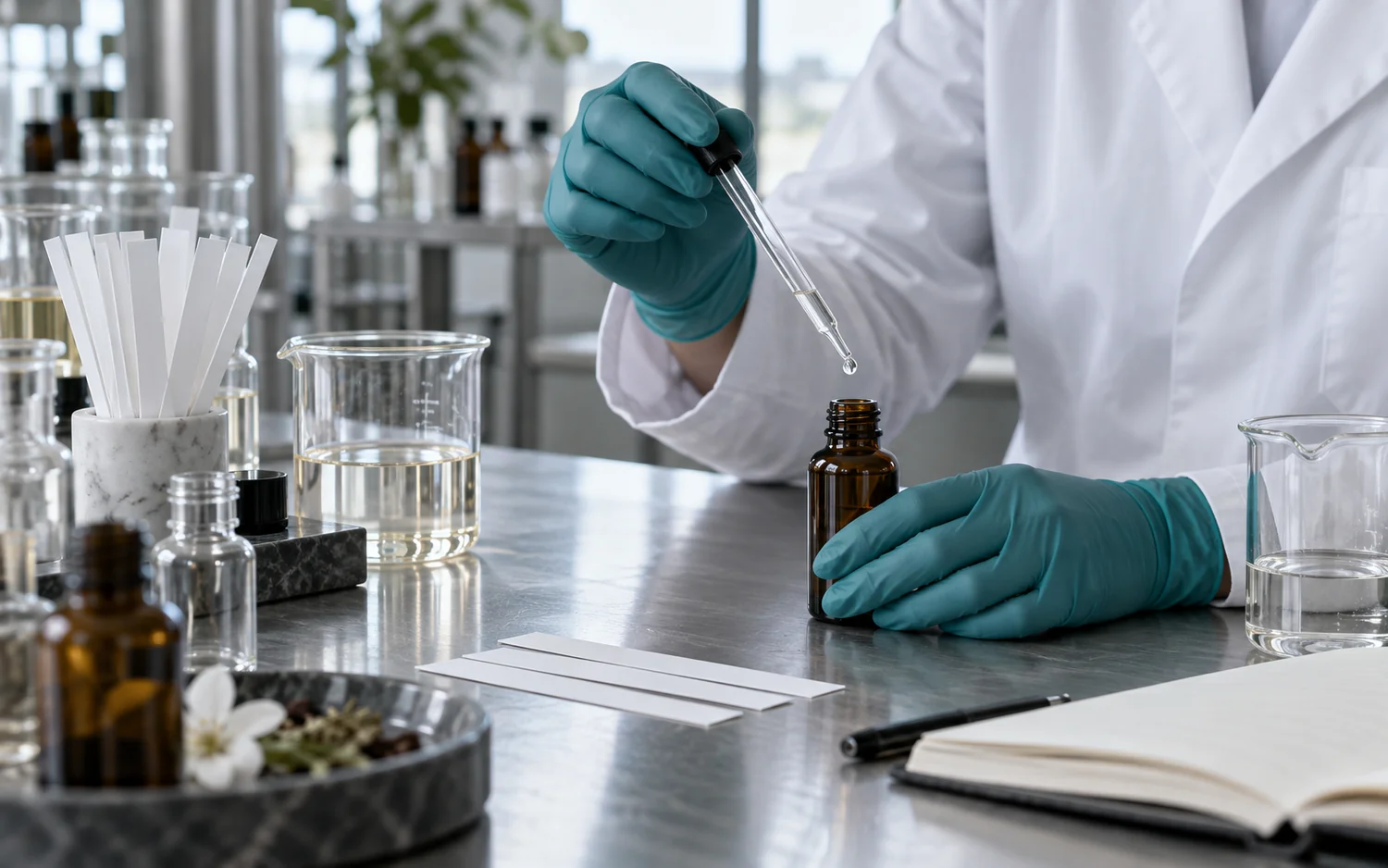 Illustrative concept image
A fragrance project moves forward when the product team and fragrance team are reviewing the same base, sample and objective. Use these four stages to define the working brief and agree what each review should produce.
Product type, base description, target loading, scent reference, destination market and commercial timing. Identify what is already fixed and where the formulation team can still make changes.
A concise development brief: the scent direction, priority use moments, key constraints and criteria for comparing samples. Confirm any base-sample or additional information needed before a trial route is selected.
A benchmark or clearly described olfactive direction, the intended base and practical constraints. Clarify whether the project needs an existing direction, a refinement or a custom development discussion.
A candidate sample scope with identifiable sample codes, intended evaluation conditions and a feedback routine. Confirm sample quantity, preparation, costs and freight arrangements before dispatch.
Preparation records, the base and loading used, observation conditions and coded feedback. Separate scent preference from appearance, stability, packaging or device observations.
Which candidate to retain, what to revise and which questions still need evaluation. Keep the agreed method and observations with the sample identity; select the next trial to answer a specific unresolved question.
The accepted sample reference, final application, loading, destination, order quantity and required documents. Identify changes from the evaluated version before the order is finalised.
The fragrance reference to supply, document scope, commercial terms and quoted lead time. Review batch information with the actual shipment and return to the relevant evaluation if the product base or intended use changes.
Select an application to see a more specific evaluation route. These are planning guides for a project discussion, not published test results.
How does the fragrance behave in the detergent, through washing and on dried fabric? Record the base, wash dose, fabric and drying routine so a scent preference can be understood in context.
Review the detergent trial →How does the selected liquid work with the delivery system? For a powered diffuser, begin with the device specification, operating cycle, target room and permitted liquid route.
Review the machine-diffuser trial →What changes between the bottle and the use experience? In shampoo, compare base appearance and scent in pack, in lather and after rinsing using a consistent routine.
Review the shampoo trial →Yes. A custom direction can be discussed after reviewing the product application, scent brief, market, expected volume, and project constraints.
Not without evaluation in the finished base and agreed conditions. The relevant tests and acceptance criteria should be defined during the project.
Start with product type and base, target scent, intended market, quantity, timing, and any documents or test criteria required.
A promising scent direction becomes more actionable when the team records how it performs in the real product base, at a defined use level, and under repeatable conditions.
Agree on the scent direction or benchmark and the attributes that matter to the target customer.
Evaluate shortlisted samples in the intended base. Note dosage, preparation method, storage, and sensory observations.
Capture accepted changes and open questions so the next sample or production discussion is based on the same criteria.
Behind the development process
These are photographs from our actual facility, shown separately from the concept images elsewhere on this site. They illustrate the environment behind sample selection, material handling, and analytical review.
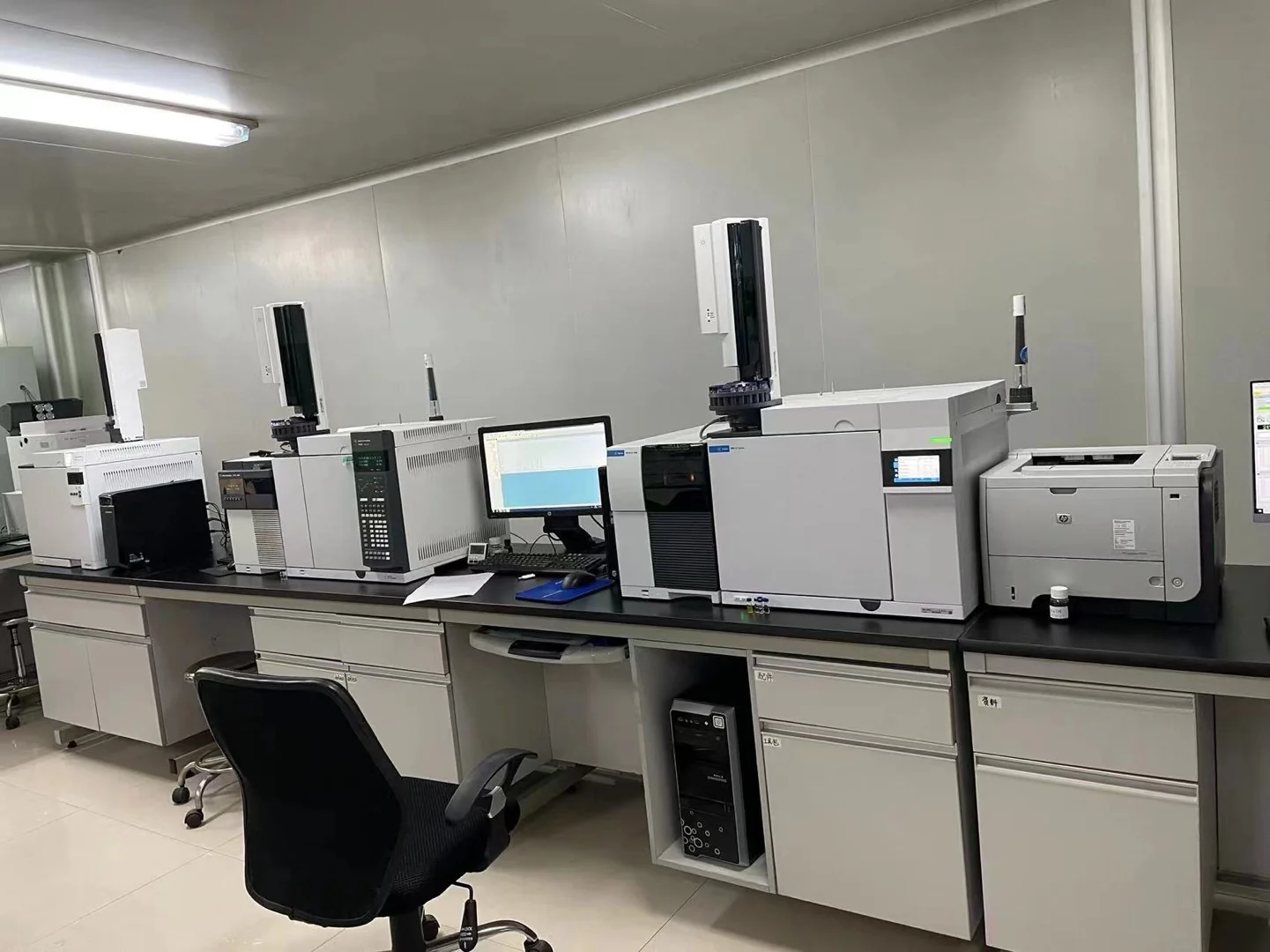
Analytical instruments in our fragrance testing area. Ask which analytical review is relevant to the sample and question in your project.
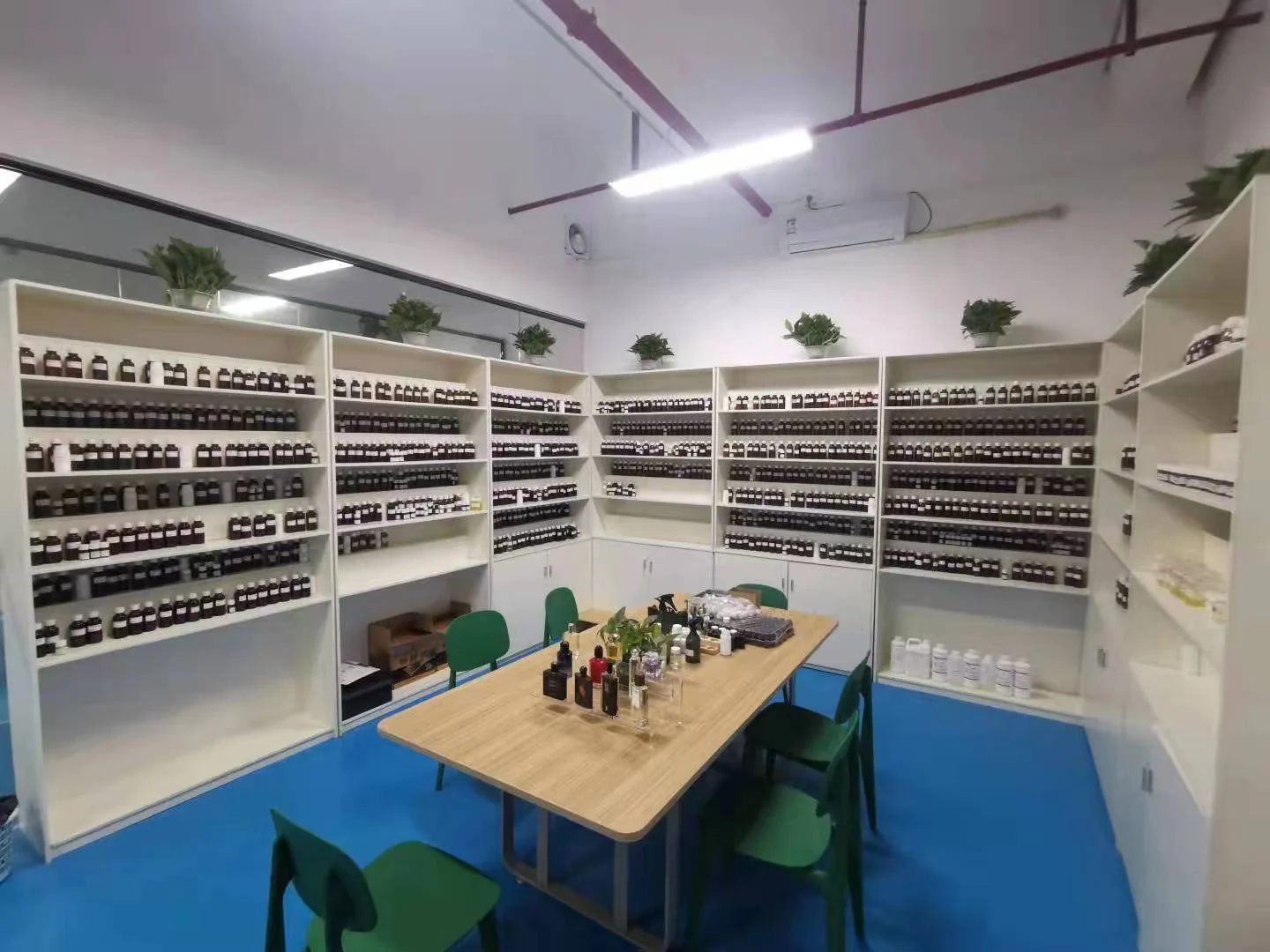
Actual shelves of fragrance samples used for selection and development discussions.
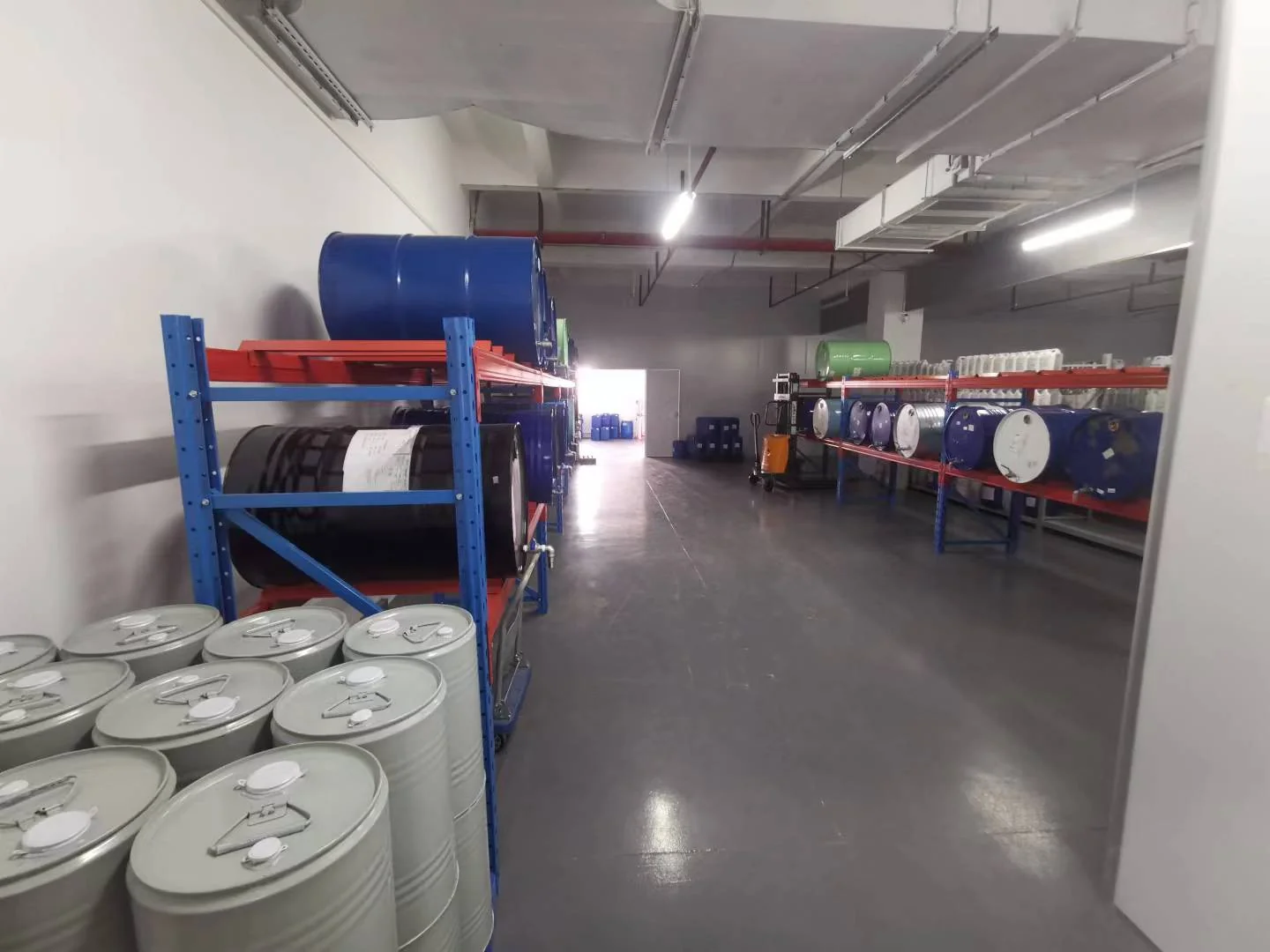
Our raw-material storage area. Connect a supplied fragrance with its product identifier and relevant batch records during the order review.
Facility images are not test reports. Results, specifications, and compliance documents must be checked for the selected fragrance formula and batch.
The relevant method and acceptance criteria depend on the application and brief. These guides show what can be discussed before drawing conclusions.
Share your product format, target market, scent direction, and expected quantity to shape the next step.
Start a Project