Microcapsule Fragrance
Plan a microcapsule fragrance project around capsule format, incorporation process, target substrate, and a defined release-evaluation method.
Discuss your project → Illustrative concept image
Release behaviour must be tested in context.
A capsule concept is only useful when it fits the finished product and the moment of scent release. Agree on the product base, application process, and test method before discussing performance claims.
Capsule system
Identify the proposed capsule format and how it will be incorporated.
Substrate & use
Define fabric or other substrate, use conditions, and intended release trigger.
Evidence boundary
Assess any duration or release claim only against project-specific measurements.
Define the capsule system before the scent claim.
Separate the fragrance direction, supplied capsule format and finished-product use. A useful brief states what will be incorporated, how the trial will be run and which release question it needs to answer.
- System identity & format
- Identify the proposed capsule-system code and whether a slurry, powder or another format is required. Request the handling and incorporation information available for that system. Do not infer capsule composition or particle size from an illustrative image.
- Base, process & loading
- Share the product-base code, addition point and mixing conditions. State loading with its unit and basis: the supplied capsule material added to the finished product is not the same entry as fragrance content. Record supplier-confirmed composition information separately where available.
- Substrate & release routine
- Specify fabric or another intended substrate, application and drying routine, storage interval and observation points. Describe any handling or rubbing step precisely. Agree the reference and before-and-after comparison before evaluating a release target.
- Market & evidence request
- List destination markets, requested material disclosures, sample quantity and commercial volume. Identify duration, release or environmental claims that need review. Do not treat the presence of capsules as proof of a performance or environmental benefit.
Open a reusable sample-brief template
A blank planning aid, not a test report. Copy it into your own document; nothing is sent or saved by this page.
MICROCAPSULE FRAGRANCE — SAMPLE BRIEF
Capsule-system code / supplier-confirmed format:
Fragrance direction / benchmark:
Finished-product base code / addition point:
Mixing conditions / system-specific handling instructions:
Loading of supplied capsule material (unit and basis):
Confirmed fragrance-content information, if available:
Substrate / application / wash or drying routine:
Storage interval / defined release trigger:
Reference / observation points / acceptance question:
Destination markets / material disclosures / proposed claims:
Sample quantity / expected order quantity and unit:
Build the trial around incorporation and release.
A microcapsule brief connects the capsule format, product base, deposition surface and intended release moment. Treat these as one application system when planning samples.
01Identify the capsule and incorporation route
Specify whether the project needs a slurry, powder or another agreed format. Describe the base, point of addition, mixing sequence and processing conditions. Confirm which handling and incorporation information is available for the selected capsule system before making trial batches.
02Observe the finished application
Prepare a controlled trial at the agreed loading, with a suitable reference. Record appearance and distribution in the base, then evaluate the intended application on the target substrate. Keep preparation and use conditions with the sample identifier so observations can be traced back to the trial.
03Compare the intended release moment
Define the release trigger and observation points before comparison, such as an agreed handling or rubbing step on a fabric sample. Record before-and-after sensory observations using the same routine. A claimed duration or release benefit needs evidence from that specific system and test design.
Agree the final trial conditions and acceptance criteria with your product team. This guide describes an evaluation approach, not results for a tested formula.
Keep the capsule specification and evidence connected.
A purchase review should identify the complete supplied system, not only the fragrance name. Keep each proposed claim tied to the conditions and records that would support it.
Confirm the material being evaluated
Record the capsule-system code, fragrance reference, supplied format and relevant instructions with each sample. Clarify whether a quoted quantity refers to the supplied system or a different material; do not convert between them without confirmed composition information.
Keep the release record reproducible
Return the loading basis, base version, incorporation conditions and substrate with the agreed release routine. Separate before-and-after scent observations from appearance or distribution issues. Report the trial conditions alongside any result rather than presenting it as universal.
Review documents and claim boundaries
Confirm which documents cover the fragrance and which cover the supplied capsule system. Review market and material-disclosure needs before approving claims. Agree the specification, packaging, batch records and change-notification requirements before an order.
Document availability is confirmed for the selected formula and project. IFRA conformity information does not replace a safety assessment. IFRA explains the scope of conformity documentation.
Common questions.
Does a microcapsule automatically make fragrance last longer?
No universal performance result can be inferred from the format alone. Formulation, processing, substrate, and use conditions all matter.
Can you specify a release time in advance?
A target can be part of the brief, but a performance statement requires an agreed test and results for the finished application.
Is the capsule itself the fragrance oil?
The fragrance and its delivery system are separate considerations. Confirm both the selected fragrance and capsule format for the intended product.
Does a capsule-material addition percentage equal the fragrance percentage?
Do not treat those as interchangeable figures. Record the loading of the material as supplied and its basis. Only use fragrance-content information confirmed for that selected system when discussing the fragrance contribution; do not estimate it from the product name or appearance.
Can a microcapsule be described as biodegradable or environmentally preferable?
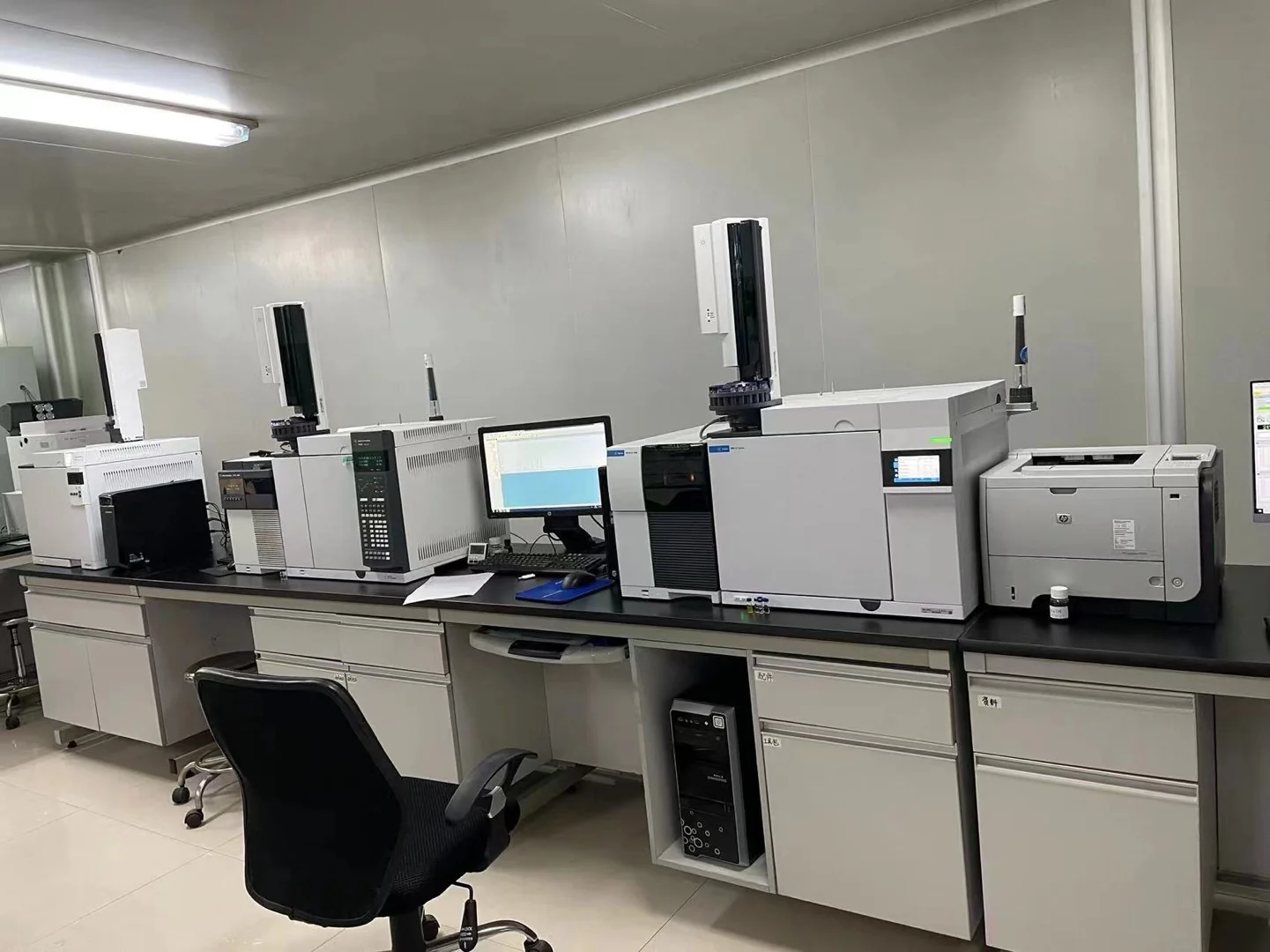
Not from the format alone. Request evidence and material disclosures for the exact capsule system, then have the intended claim reviewed for the destination market. No such property is established by this application guide or by the facility photographs.
Start a formulation discussion.
Share your product base, target market, scent direction, and expected quantity. We can discuss a suitable sample and document scope.