Laundry Powder Fragrance Oil
Choose or develop fragrance for laundry powder with the powder composition, addition method, pack experience, and wash-use conditions in view.
Discuss your project →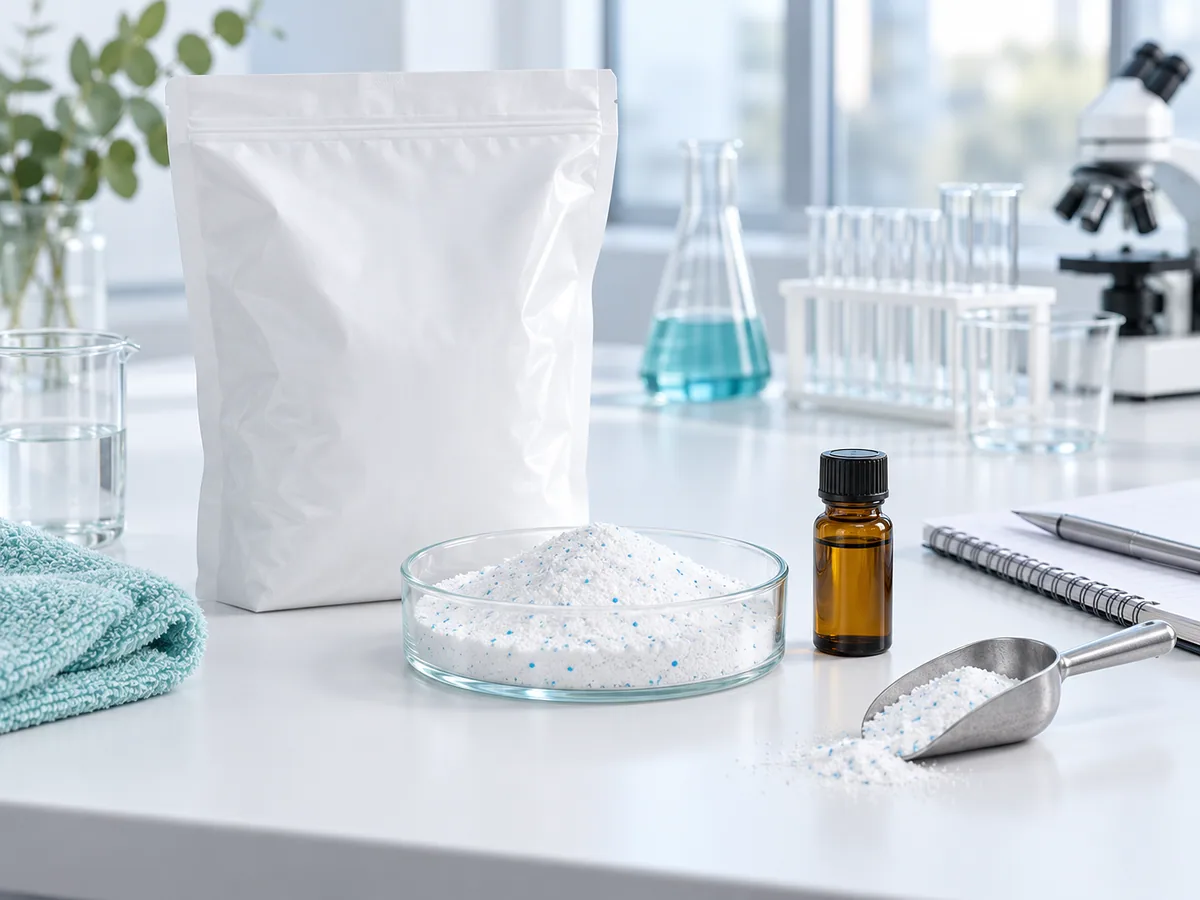 Illustrative concept image
Powder format changes the scent brief.
The route used to add fragrance, the powder environment, and storage conditions can affect the sensory experience. A sample should be judged in the intended powder, not only in the oil bottle.
Powder environment
Clarify the composition, moisture exposure, and any ingredients relevant to fragrance selection.
Addition process
Review how and when fragrance enters the powder and the practical handling requirements.
Scent moments
Define expectations at pack opening, during the wash, and on the finished fabric.
Build a powder-specific sample brief.
Connect the scent target with the powder-making route and wash routine. Mark unknown details as open so a sample discussion does not turn an assumption into a production specification.
- Powder base & addition
- Identify the base code and relevant ingredients at a non-confidential level. Record where fragrance is introduced, the mixing sequence, processing temperature and any existing carrier or pre-blending step. Agree a confidential exchange before sharing a full formula.
- Loading & packed product
- State the proposed fragrance loading by weight of the finished powder. Include the pack material, storage conditions and observation intervals. Identify the appearance, flow or caking observations your team wants to record alongside scent.
- Wash & fabric comparison
- Specify powder dose, water conditions, wash programme, fabric and drying method. Choose which moments matter most: opening the pack, dissolution, wet fabric or dry fabric. Give a benchmark and the desired change, not only a scent-family name.
- Sample & supply scope
- Include trial-batch size, sample quantity requested, destination market and expected order volume with its unit. State whether the project is for free fragrance, a capsule system or a comparison; confirm shipping arrangements before sending a powder base.
Open a reusable sample-brief template
A blank planning aid, not a test report. Copy it into your own document; nothing is sent or saved by this page.
LAUNDRY POWDER — SAMPLE BRIEF
Powder base code / relevant ingredients:
Fragrance addition point / mixing / temperature:
Existing carrier or pre-blending step, if any:
Proposed loading (% w/w of finished powder):
Packaging / storage conditions / observation intervals:
Powder dose / water / wash / fabric / drying routine:
Priority scent moments / benchmark / desired change:
Free fragrance or capsule-system comparison:
Trial-batch size / sample quantity requested:
Destination market / documents / order quantity and unit:
Follow scent through processing and washing.
A powder trial needs both a production context and a use context. Keep the addition method, storage pack and wash routine consistent when comparing fragrance directions.
01Define how fragrance enters the powder
Record the powder base, point of addition, mixing conditions and intended fragrance loading. Identify relevant processing temperatures and ingredients before choosing a trial route. Prepare coded samples using the same addition procedure, together with the unfragranced base as a reference.
02Review the packed powder
Compare odour and appearance after preparation and at agreed storage intervals. Note flow, caking or visible changes alongside the pack material and storage conditions. Retain enough information to distinguish a base or packaging issue from a difference between fragrance candidates.
03Compare the wash result
Use the intended wash dose and a repeatable fabric and drying routine. Record scent during dissolution, washing and on dry fabric. Keep the powder sample code with each result so the selected scent is linked to the actual formulation and process that produced it.
Agree the final trial conditions and acceptance criteria with your product team. This guide describes an evaluation approach, not results for a tested formula.
Link the selected scent to the powder process.
Keep the sample identity, preparation record and packed-product observations together. They provide a clearer basis for the quotation than a scent name or bottle evaluation alone.
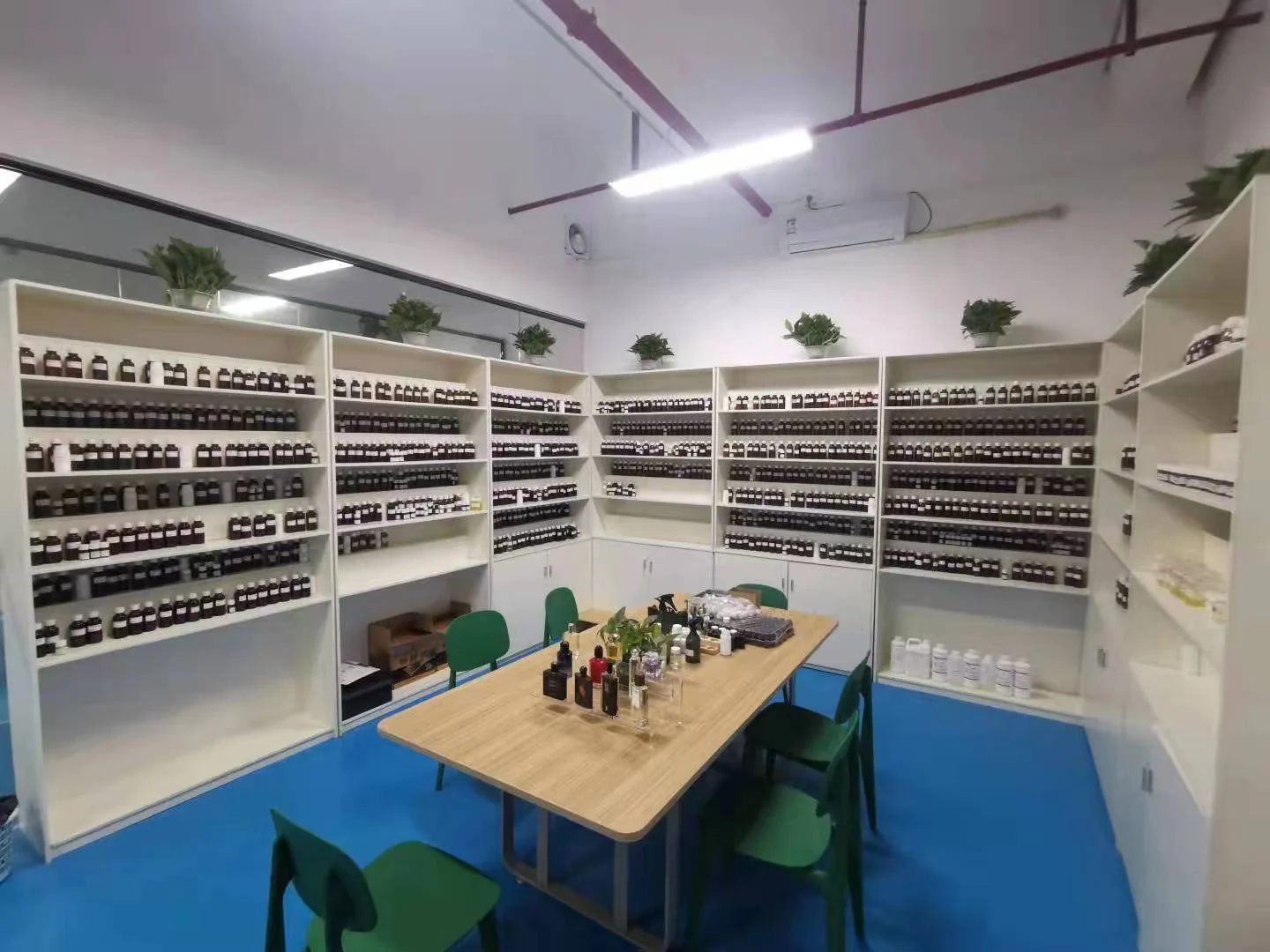
Return a coded comparison
For each sample, record the powder base version, addition route, loading and observation dates. Separate scent feedback from flow, caking or colour observations. Include the unfragranced reference where used, without assuming which ingredient caused a change.
Define acceptance in the intended pack
Agree which preparation, storage and wash observations your team will use to accept a candidate. Record the actual conditions and review period. A short sample comparison is not, by itself, evidence for a finished-product shelf-life claim.
Confirm fragrance and order identity
Match the accepted sample code to the supplied fragrance specification and available documents. Confirm packaging, quantity and unit, destination, lead time and batch-document requirements. If the base or addition process changes, identify which checks should be repeated.
Document availability is confirmed for the selected formula and project. IFRA conformity information does not replace a safety assessment. IFRA explains the scope of conformity documentation.
Common questions.
Can a liquid-detergent fragrance be used in powder?
Possibly, but it should not be presumed suitable. Powder compatibility, handling, and scent performance need separate assessment.
Does powder fragrance always need microcapsules?
No single format suits every project. The choice depends on the powder base, application method, desired scent experience, and supporting tests.
How is sample scope decided?
Sample format and quantity are discussed after the powder base, process, and evaluation goals are clear.
What should we record if fragranced powder shows caking or a colour change?
Keep the sample code, base version, loading, addition process, packaging, storage conditions and observation date with the report. Compare against a suitable reference under the same conditions. Treat the observation as a question to investigate, not proof that fragrance alone caused it.
Can a brief powder sample trial support a shelf-life claim?
Not on its own. Define a separate finished-product assessment with the intended packaging, conditions, observation period and acceptance criteria. Keep that record distinct from the initial scent-selection trial and confirm the evidence needed before publishing a claim.
Start a formulation discussion.
Share your product base, target market, scent direction, and expected quantity. We can discuss a suitable sample and document scope.