Cleaning Product Fragrance Oil
Develop fragrance for household cleaners around the actual product base, surface-use conditions, dosage, and destination market.
Discuss your project →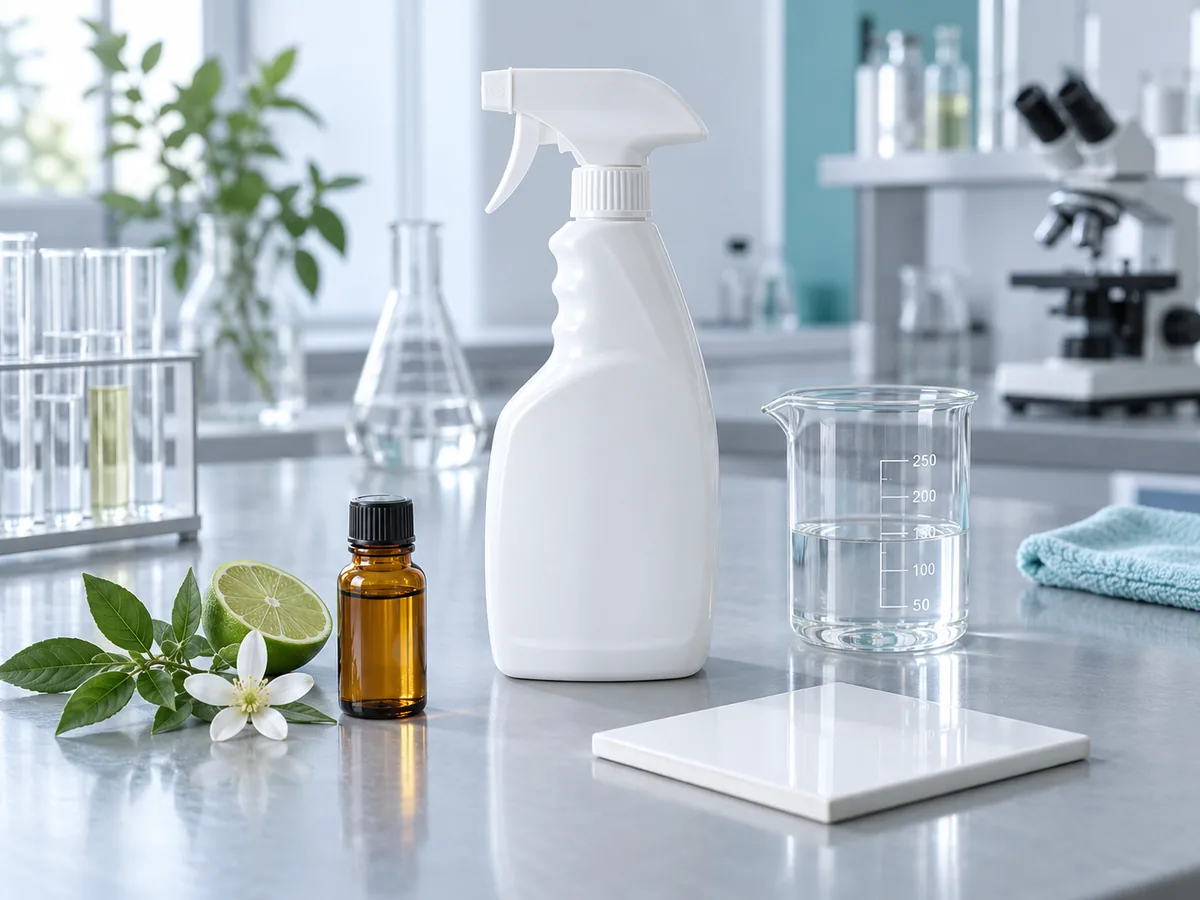 Illustrative concept image
Cleaner chemistry comes first.
A fragrance must be assessed in the intended cleaner because pH, actives, surfactants, and packaging can influence appearance and scent. Any cleaning efficacy claim belongs to the finished product.
Base context
Clarify cleaner chemistry and target fragrance loading.
Use surface
Define intended use, dilution, and sensory moment.
Stability
Agree what appearance and odour changes to monitor in the finished product.
Build a brief around the cleaner chemistry.
Name the actual cleaner and its use instructions before discussing fragrance. Keep concentrate observations separate from observations at the intended use dilution, with the same base and sample identifiers throughout.
- Base identity & handling
- Share the base code, pH range, surfactant or solvent system and relevant actives at an agreed level of confidentiality. Provide the base SDS and handling instructions for review before dispatch. Flag reactive or oxidising systems for a formulation-specific review rather than assuming compatibility.
- Addition & packed-product record
- Record the proposed fragrance loading, calculation basis, addition point and mixing routine. Include the intended container and closure, storage conditions and observation intervals. Define which appearance, odour or separation changes your team needs to track.
- Dilution, surface & scent moment
- Specify ready-to-use or concentrate format, the labelled dilution, intended surface and rinse instructions. Describe the scent priorities in the pack, during cleaning and after use. Sensory comparison should follow the intended use procedure, not an improvised chemical mixture.
- Market, sample & claims
- Provide a benchmark, sample quantity, destination markets and expected volume with its unit. Identify the team responsible for cleaning or antimicrobial efficacy claims. Those claims require a separate finished-product review; fragrance acceptance is only one part of product development.
Open a reusable sample-brief template
A blank planning aid, not a test report. Copy it into your own document; nothing is sent or saved by this page.
CLEANING PRODUCT — SAMPLE BRIEF
Product type / base code / pH range:
Surfactants / solvents / relevant actives:
Base SDS / handling and sample-shipping instructions:
Fragrance loading (unit and calculation basis):
Addition stage / mixing routine:
Container / closure / storage observations:
Ready-to-use or concentrate / labelled dilution:
Intended surface / application / rinse procedure:
In-pack, in-use and after-use scent priorities:
Benchmark / separate efficacy-claim review:
Sample quantity / market / documents / order quantity and unit:
Evaluate scent in the cleaner and at use dilution.
The cleaner base and use instructions set the fragrance evaluation. Concentrated in-pack odour and the experience during cleaning should be reviewed as separate moments.
01Share the relevant cleaner chemistry
Identify the surfactant system, pH, relevant actives, solvent content and intended loading at a practical level. Explain the mixing and addition process. Use the actual base for coded trial samples so any appearance or odour changes can be discussed in context.
02Observe storage and pack fit
Compare appearance and odour in the intended packaging at the agreed observation points. Record separation, colour or scent changes rather than relying on a single pass/fail description. Include the unfragranced base where it helps distinguish the source of a change.
03Review the cleaning-use experience
Follow the intended dilution, surface and rinse instructions during sensory comparison. Record scent during application and after use under consistent conditions. Keep these observations separate from the finished product’s cleaning or antimicrobial efficacy assessment.
Agree the final trial conditions and acceptance criteria with your product team. This guide describes an evaluation approach, not results for a tested formula.
Move from cleaner trials to a clear supply brief.
A purchasing decision should identify the fragrance and the cleaner application reviewed. Keep scent preference, formulation observations and finished-product efficacy decisions distinct in the handover.
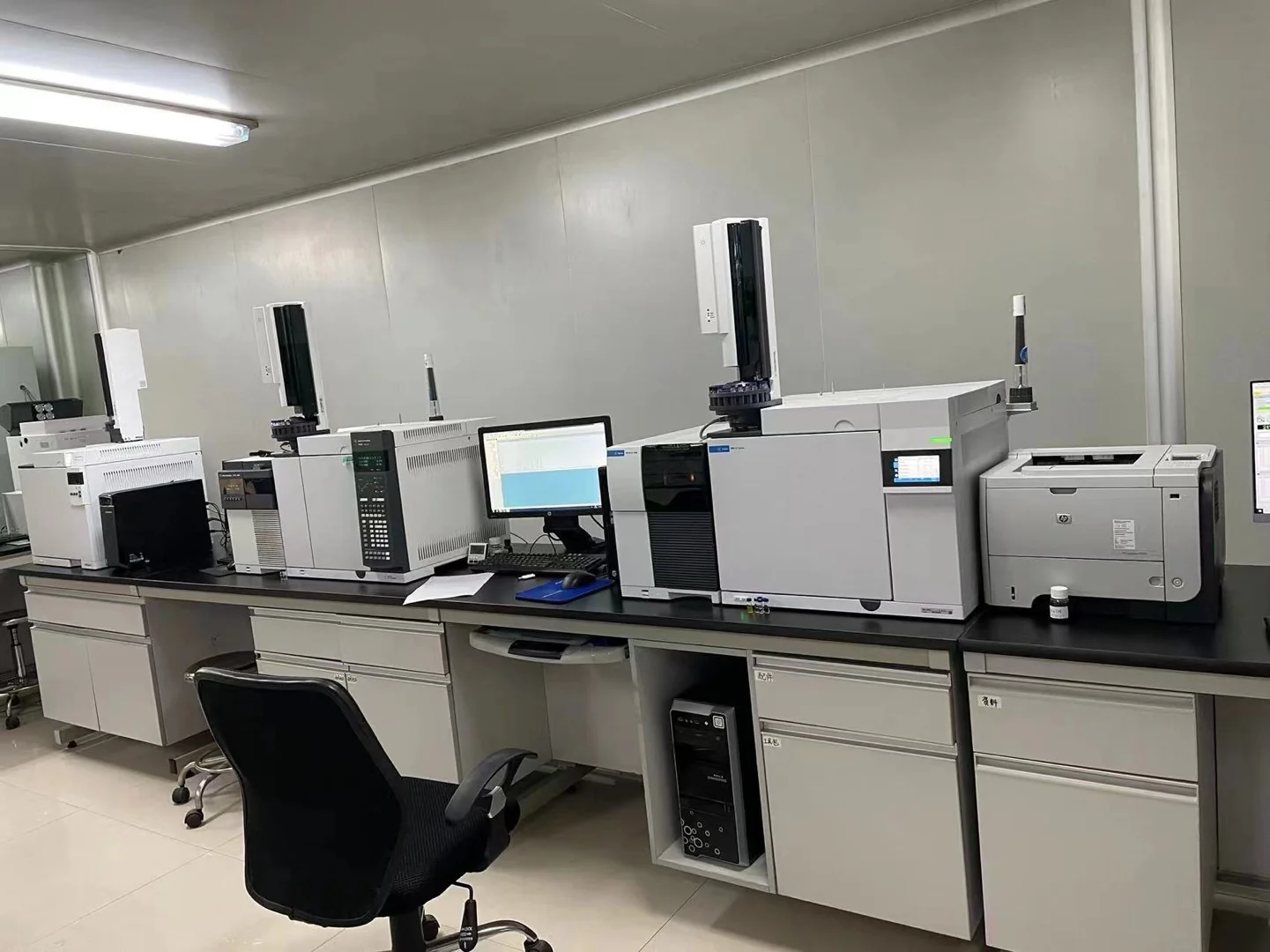
Consolidate the formulation record
Return the fragrance code, base version, loading, preparation and packaging with each observation. State whether the observation concerns concentrate or use dilution. Keep reference samples and observation dates identifiable when reporting colour, separation or scent changes.
Review documents for the intended use
Request available fragrance SDS, intended-use conformity information and relevant composition disclosures for the selected code and market. The finished-product team should assess the cleaner and any efficacy claims separately; a pleasant scent does not establish cleaning or disinfecting performance.
Specify the order and future changes
Confirm the accepted fragrance identifier, quantity and unit, packaging, destination, lead time and available batch documents. Record whether approval relates to one cleaner base or several separately reviewed bases. Revisit the scope when the active system, dilution or use instructions change.
Document availability is confirmed for the selected formula and project. IFRA conformity information does not replace a safety assessment. IFRA explains the scope of conformity documentation.
Common questions.
Does a pleasant scent prove cleaning efficacy?
No. Cleaning efficacy requires separate finished-product testing.
Can detergent fragrance be reused in a cleaner?
Potentially, but compatibility must be reviewed in the intended cleaner.
Are all cleaner bases compatible?
No universal compatibility is implied; assessment is formulation-specific.
Should a concentrated cleaner and its use dilution have separate scent observations?
Yes. Label the two conditions clearly and record the intended dilution and use procedure. A preferred scent in the concentrate does not, by itself, describe the experience during cleaning. Compare at the intended use conditions without substituting an unapproved mixture.
Can one fragrance create a matching scent across different cleaner bases?
A coordinated scent direction can be discussed, but each base should retain its own sample code and application record. Share the relevant chemistry and use instructions for the range, then confirm the selected fragrance and document scope for each product.
Start a formulation discussion.
Share your product base, target market, scent direction, and expected quantity. We can discuss a suitable sample and document scope.