Diffuser Machine Fragrance Oil
Discuss fragrance oil for a scent diffuser machine using the actual device model, delivery system, oil feed conditions, and target environment.
Discuss your project →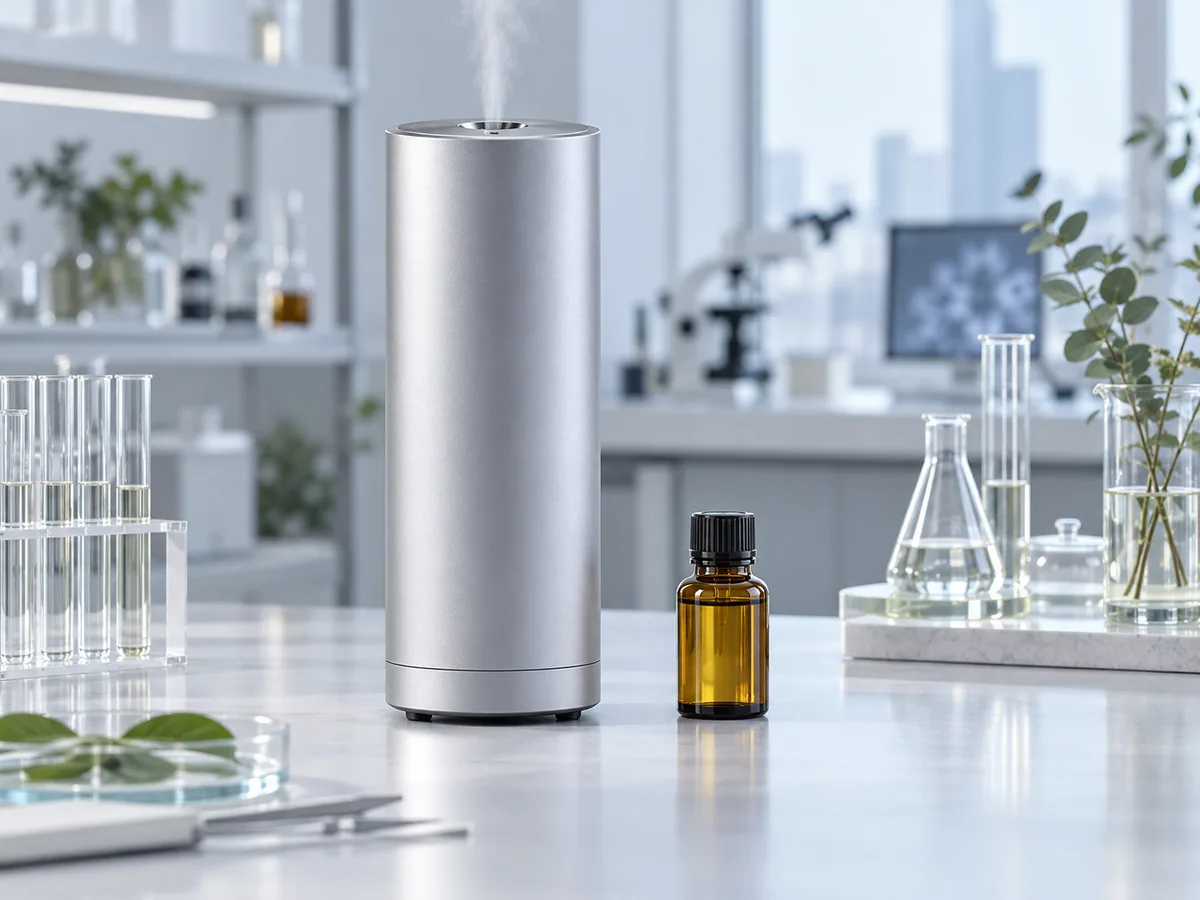 Illustrative concept image
Start with the device, not just the scent.
Diffusion depends on machine design, operating schedule, carrier, and the space being scented. Fragrance suitability must be reviewed against the equipment supplier's requirements and an actual-use trial.
Device fit
Identify model, atomisation or delivery method, and manufacturer guidance.
Operating context
Set room size, schedule, oil feed, and maintenance expectations.
Scent assessment
Agree on diffusion and sensory evaluation in the intended space.
Build a device-specific fragrance brief.
Tell us whether you need a fragrance concentrate for formulation or a prepared liquid for a named machine. That distinction should stay visible from the first sample discussion to the quotation.
- Device & permitted liquid
- Share the manufacturer, model, delivery mechanism and compatible-liquid instructions. Identify reservoir and fluid-path materials, carrier restrictions and any supplier-specified liquid properties; do not infer them from the machine appearance.
- Space & operation
- Describe the intended space, ventilation, placement and operating hours. Record output setting and on/off schedule. Room area alone is not a coverage specification or a substitute for an actual-use trial.
- Scent & observation plan
- Define the desired scent character and benchmark. Agree observation points, a consistent way to record liquid use, and which feed, residue or maintenance observations to report alongside sensory feedback.
- Supply & market
- Identify concentrate versus prepared-liquid needs, sample quantity, refill packaging, destination market and expected volume with its unit. Keep any intended device or performance claim separate from the fragrance preference.
Open a reusable sample-brief template
A blank planning aid, not a test report. Copy it into your own document; nothing is sent or saved by this page.
SCENT DIFFUSER MACHINE — SAMPLE BRIEF
Manufacturer / model / delivery mechanism:
Manufacturer-approved liquid requirements:
Concentrate or prepared-liquid requirement:
Reservoir / fluid-path materials / carrier restrictions:
Space / ventilation / placement:
Output setting / on-off schedule / operating hours:
Scent benchmark / desired change:
Liquid-use recording method / maintenance observations:
Sample quantity / refill packaging / order quantity and unit:
Destination market / documents / target timing:
Match the fragrance to the operating system.
Machine diffusion is a device-and-liquid project. The most useful first trial uses the actual machine, intended liquid route and representative operating conditions.
01Establish the device baseline
Share the model, delivery mechanism and manufacturer instructions for compatible liquids. Record the reservoir and fluid-path materials, carrier restrictions and proposed fragrance preparation. A ready-to-use device liquid and a fragrance concentrate should be clearly distinguished in the sample brief.
02Run a repeatable operating trial
Use a documented fill level, output setting and on/off schedule in a defined space. Observe the scent character, liquid consumption and device behaviour during the agreed trial. Record room size, ventilation and placement rather than describing performance only as strong or weak.
03Review both scent and device observations
Compare candidates under the same operating routine. Note changes in scent, visible residue, feed behaviour or maintenance needs and bring them back to the discussion. Select the next trial on the combined device and sensory observations, with the equipment instructions remaining part of the review.
Agree the final trial conditions and acceptance criteria with your product team. This guide describes an evaluation approach, not results for a tested formula.
Connect the selected scent with the tested device.
Make the equipment and operating record part of the supply discussion. A fragrance choice for one machine is not a blanket approval for other delivery systems.
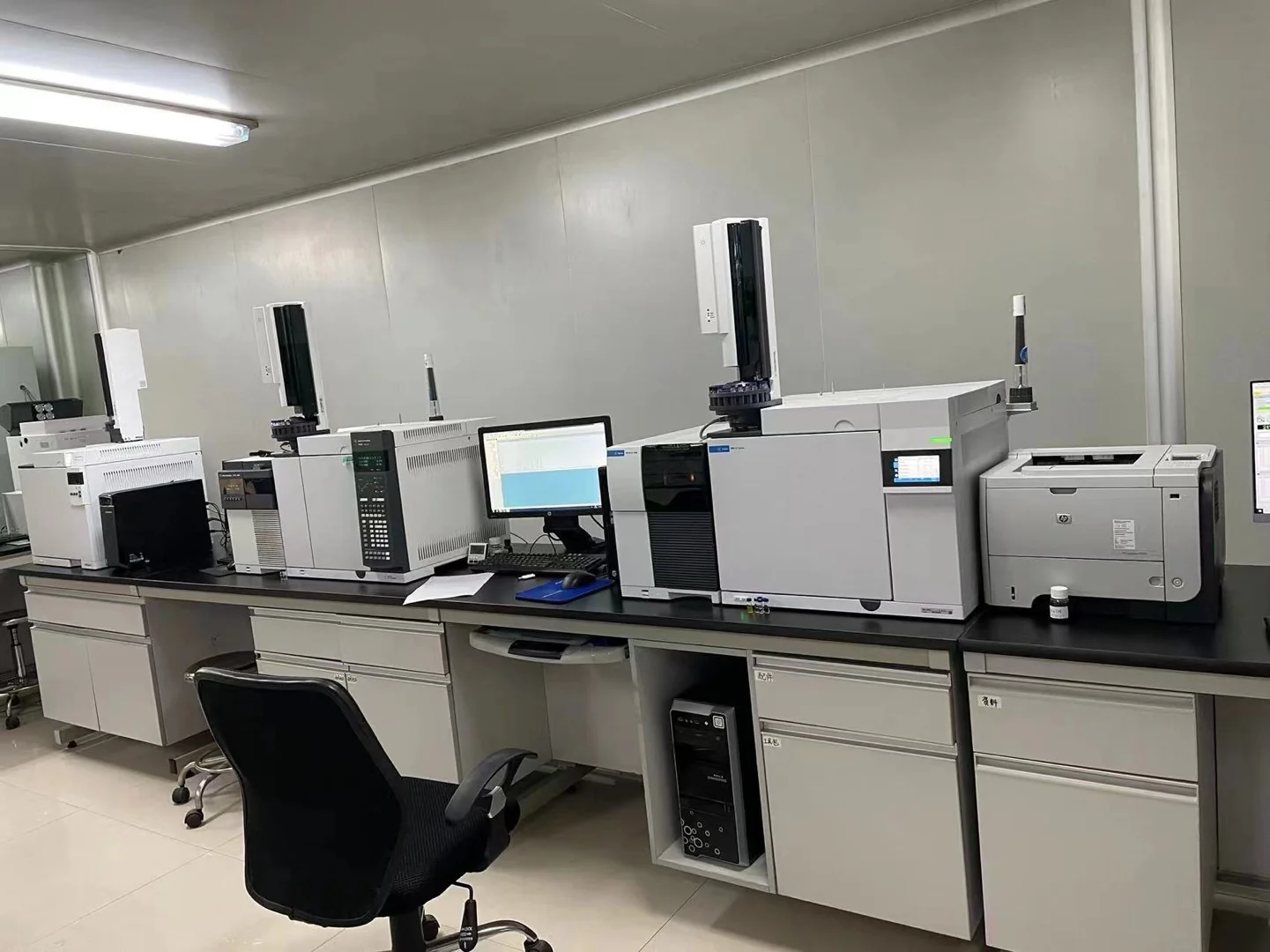
Return a device-use record
Keep sample identity, device model, preparation, settings and observation period together. Record the unit and method used for liquid consumption, then separate sensory feedback from feed or maintenance observations.
Check the exact liquid route
Confirm whether the quotation covers a concentrate or a prepared liquid. Match the available SDS and intended-use documentation to that supplied material; obtain the equipment supplier’s review where device approval is required.
Agree the order specification
Record the accepted sample, liquid specification, packaging, quantity and unit, destination and lead time. If the device, carrier or liquid preparation changes, reopen the relevant evaluation instead of carrying the old approval forward.
Document availability is confirmed for the selected formula and project. IFRA conformity information does not replace a safety assessment. IFRA explains the scope of conformity documentation.
Common questions.
Will one oil work in all scent machines?
No. Device and material compatibility varies. Follow the equipment manufacturer's guidance and test the selected oil in the actual machine.
Is this the same as reed diffuser oil?
Not necessarily. Machine and reed systems can require different carrier and performance evaluation.
Can you quote without a device model?
A preliminary discussion is possible, but the device specification helps determine an appropriate sample and compatibility review.
Is diffuser machine fragrance oil ready to pour into any device?
Do not assume so. Confirm whether the sample is a concentrate or a prepared device liquid, then follow the manufacturer’s permitted-liquid and operating instructions. Do not add water or another carrier unless the selected liquid route and device instructions support that preparation.
Can you specify room coverage or refill duration from the oil alone?
Not reliably from the fragrance alone. Coverage and refill experience depend on the machine, settings, schedule, space and ventilation. Supply those conditions and agree an actual-use comparison before making a project-specific claim.
Start a formulation discussion.
Share your product base, target market, scent direction, and expected quantity. We can discuss a suitable sample and document scope.