Candle Fragrance Oil
Create a candle scent direction with the actual wax blend, fragrance load, wick system, vessel, and burn-test plan in view.
Discuss your project →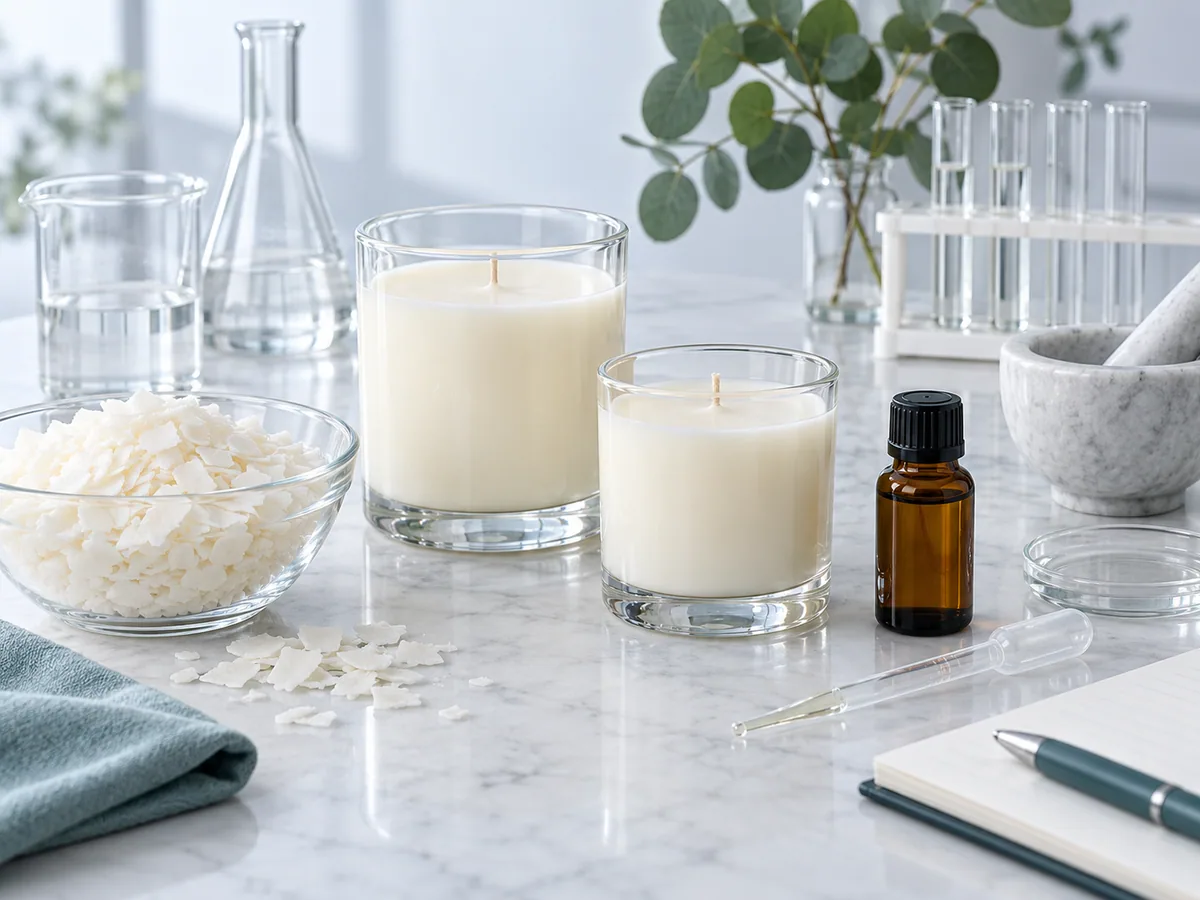 Illustrative concept image
A candle fragrance is evaluated in the complete candle.
An oil that smells strong in the bottle may not behave the same way in wax. Cold and hot throw, appearance, and burn behaviour should be reviewed in the intended candle system.
Wax & load
Share the wax blend and intended fragrance loading range.
Candle system
Identify wick, vessel, and production conditions relevant to evaluation.
Burn review
Compare cold and hot scent using a defined burn-test method; test product safety separately.
Build a candle-specific sample brief.
Start with the candle you intend to make, not a fragrance percentage in isolation. Identify the wax, wick, vessel and preparation record so the scent discussion refers to one defined combination.
- Wax & loading basis
- Share the wax blend or supplier grade, relevant additives and proposed fragrance loading. State whether the percentage is calculated against wax mass or the finished blend. Record the actual masses used so comparisons do not rely on an ambiguous percentage.
- Wick, vessel & preparation
- Identify wick series, size and count, vessel material and dimensions, and fill mass. Include your mixing, pouring and curing routine. Keep the component suppliers’ instructions and your candle team’s approved testing procedure with the trial record.
- Cold & hot scent goals
- Describe unlit scent and scent during burning as separate priorities. Supply a benchmark, desired character and observation routine. Have the candle team conduct any burn evaluation under its safety procedure; this brief is not a burn-test protocol.
- Market & supply scope
- List destination markets, sample quantity, expected order volume and requested fragrance documents. Identify the person or laboratory handling the finished-candle safety review. Keep fragrance selection, product testing and the final release decision as separate approvals.
Open a reusable sample-brief template
A blank planning aid, not a test report. Copy it into your own document; nothing is sent or saved by this page.
CANDLE FRAGRANCE — SAMPLE BRIEF
Wax blend / supplier grade / relevant additives:
Fragrance loading and basis (wax mass or finished blend):
Actual wax mass / fragrance mass:
Wick series / size / count:
Vessel material / dimensions / fill mass:
Mixing / pouring / curing record:
Cold-scent priorities / hot-scent priorities / benchmark:
Candle-team evaluation procedure / responsible reviewer:
Sample quantity / destination markets / documents:
Expected order quantity and unit / target timing:
Evaluate the complete candle system.
The fragrance decision belongs alongside the wax, wick and vessel decision. A controlled candle trial keeps preparation and curing conditions consistent before sensory and burn review.
01Prepare comparable candle samples
Record the wax blend, fragrance loading, mixing and pouring conditions, vessel and wick specification. Label each trial and keep the preparation history. If a variable changes between samples, note it explicitly so fragrance feedback is not confused with a process change.
02Review cold and hot scent separately
Agree the cure interval and observation environment, then describe unlit scent and scent during the burn separately. Use a consistent room and observation routine when comparing candidates. Record the balance and character of the scent, not only an overall intensity score.
03Confirm the selected combination
Bring fragrance observations together with the candle team’s wick, vessel and burn-test records. An attractive scent alone is not a finished-candle release decision. Confirm the selected fragrance identifier and loading against the exact candle combination being taken forward.
Agree the final trial conditions and acceptance criteria with your product team. This guide describes an evaluation approach, not results for a tested formula.
Connect scent approval with the tested candle.
Keep the accepted fragrance code linked to the specific candle construction and preparation record. A scent-selection decision should be easy to distinguish from approval of the finished candle.
Return a complete sample record
Pair each fragrance code with the wax version, loading basis, wick and vessel. Return cold- and hot-scent observations separately, with curing and observation conditions. Flag changes between trials instead of comparing unlike candle assemblies as though they were identical.
Keep the safety review separate
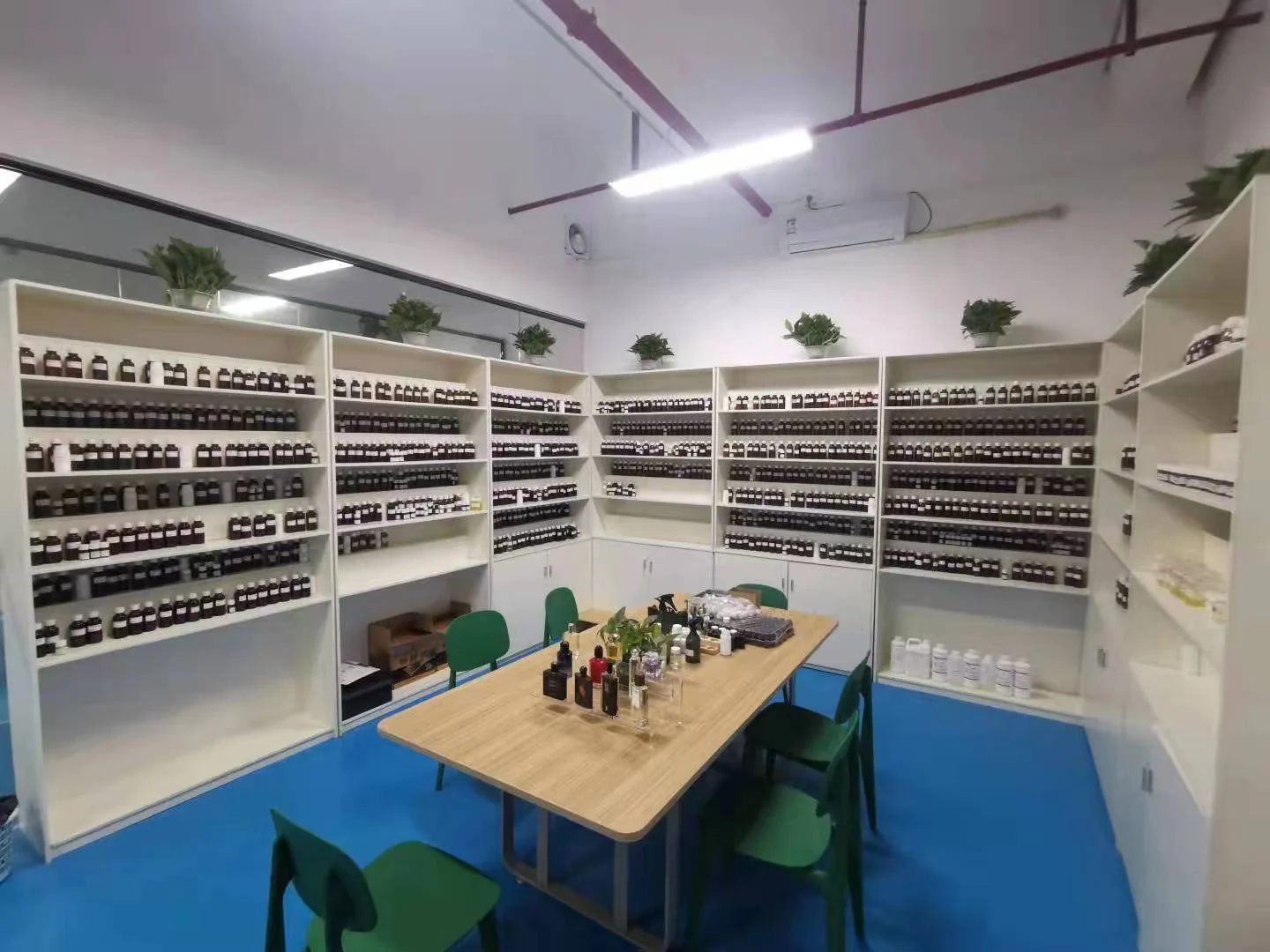
Match the fragrance documentation to the selected formula and intended use. Your finished-candle reviewer should assess the candle itself under the applicable market requirements and agreed procedures. A fragrance document or facility photo is not a finished-candle safety approval.
Confirm the supply specification
Record the accepted fragrance identifier, quantity and unit, packaging, destination, available batch documents and lead time in the quotation. If the wax, wick, vessel or preparation changes, agree which evaluations need repeating before carrying approval forward.
Document availability is confirmed for the selected formula and project. IFRA conformity information does not replace a safety assessment. IFRA explains the scope of conformity documentation.
For a US-market candle project, share the official candle business guidance with your finished-product reviewer. CPSC candle business guidance.
Common questions.
Can you guarantee strong hot throw?
No universal hot-throw claim is appropriate. Results depend on the complete candle system and the defined burn test.
Can diffuser oil be used in a candle?
Suitability should not be assumed. Evaluate the selected fragrance in the actual wax and candle construction.
Does a fragrance document certify the finished candle?
No. Formula-specific fragrance documents do not replace finished-candle safety and performance assessment.
Why should a candle brief state how fragrance loading is calculated?
A percentage based on wax mass and a percentage based on the finished blend use different denominators. State the basis and actual ingredient masses so the sample, preparation record and quotation describe the same trial. This clarification is not a recommended use level.
Can I keep the scent approval after changing the wax, wick or vessel?
Keep the preferred scent direction, but do not assume the new candle combination is approved. Record the changed component and agree the relevant scent and finished-candle checks with your candle team before release.
Start a formulation discussion.
Share your product base, target market, scent direction, and expected quantity. We can discuss a suitable sample and document scope.